
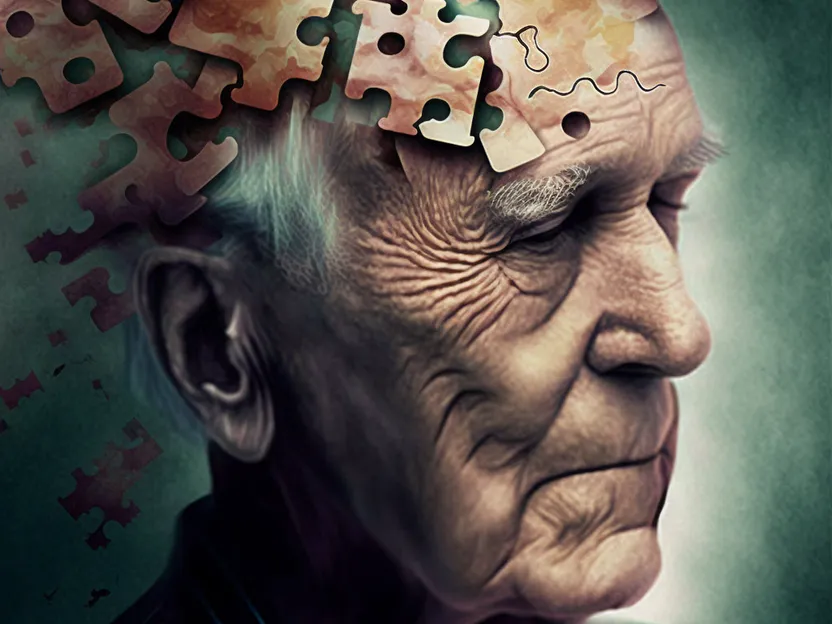
What are the early signs of Alzheimer’s?
Alzheimer’s disease is a progressive neurological disorder that affects memory, thinking, and behavior. The early signs and symptoms of Alzheimer’s can vary from person to person, but here are some of the common ones:
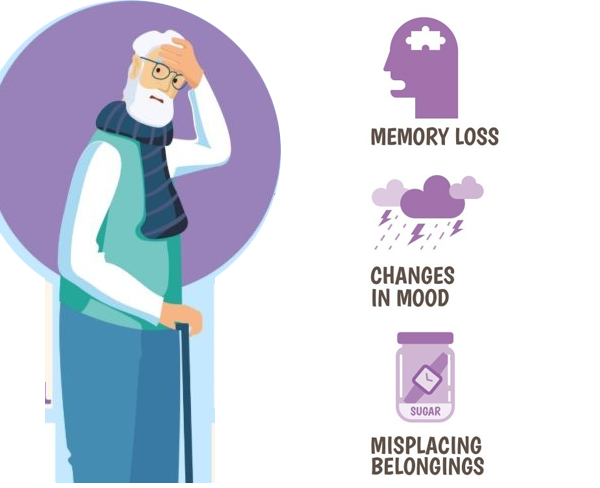
- Memory loss: One of the earliest and most common symptoms of Alzheimer’s is forgetting recently learned information, such as dates, events, and names. Forgetting important dates or events and asking for the same information repeatedly are also signs of memory loss.
- Difficulty with familiar tasks: People with Alzheimer’s may have difficulty completing familiar tasks, such as cooking, cleaning, and personal grooming.
- Changes in mood and personality: People with Alzheimer’s may experience changes in their mood and personality. They may become anxious, irritable, depressed, or easily agitated, and they may withdraw from social activities.
- Confusion and disorientation: People with Alzheimer’s may become easily disoriented, forgetting where they are or how they got there.
- Trouble with language and communication: People with Alzheimer’s may have difficulty finding the right words to express themselves, and they may have trouble understanding what others are saying.
- Poor judgment and decision-making: People with Alzheimer’s may experience a decline in their ability to make decisions, exercise good judgment, and problem-solve.

If you or someone you know is experiencing any of these symptoms, it’s important to speak to a doctor for a proper diagnosis and treatment.
The early signs of Alzheimer’s disease can include memory loss that affects day-to-day abilities , difficulty performing familiar tasks , problems with language, disorientation to time or place, decreased or poor judgment, misplacing things, changes in personality and behavior, depression, loss of interest in activities, social withdrawal, mood swings, distrust in others, and anger or aggression. In the early stage of Alzheimer’s, a person may still be able to drive, work, and be part of social activities. Despite this, the person may start to experience difficulty remembering recent conversations and events, misplacing items, and difficulty thinking of the right word. Additionally, one may experience severe mood swings and behavior changes , deepening confusion about time, place, and life events, and difficulty completing familiar tasks.
What age Alzheimer’s disease starts?
Alzheimer’s disease can affect people of any age, but it is most commonly diagnosed in people who are 65 years old or older. This is known as late-onset Alzheimer’s disease. However, early-onset Alzheimer’s disease, which is less common, can affect people in their 30s, 40s, or 50s. In rare cases, there are people in their 20s who develop early-onset Alzheimer’s.
It’s important to note that age is not the only factor that increases the risk of developing Alzheimer’s disease. Other factors, such as family history, genetics, lifestyle choices, and overall health, can also play a role in the development of the disease. If you or a loved one is experiencing symptoms of Alzheimer’s disease, regardless of age, it is important to speak to a doctor for a proper diagnosis and treatment.
Alzheimer’s disease typically starts to affect people after the age of 65. However, there is a rare form of Alzheimer’s disease known as early-onset or younger-onset Alzheimer’s that affects people under the age of 65. The exact causes of early-onset Alzheimer’s are unknown, but it is thought to be caused by a combination of genetic and lifestyle factors.
What is the main cause of Alzheimer’s?
The exact cause of Alzheimer’s disease is not fully understood, but it is believed to be caused by a combination of genetic, environmental, and lifestyle factors.
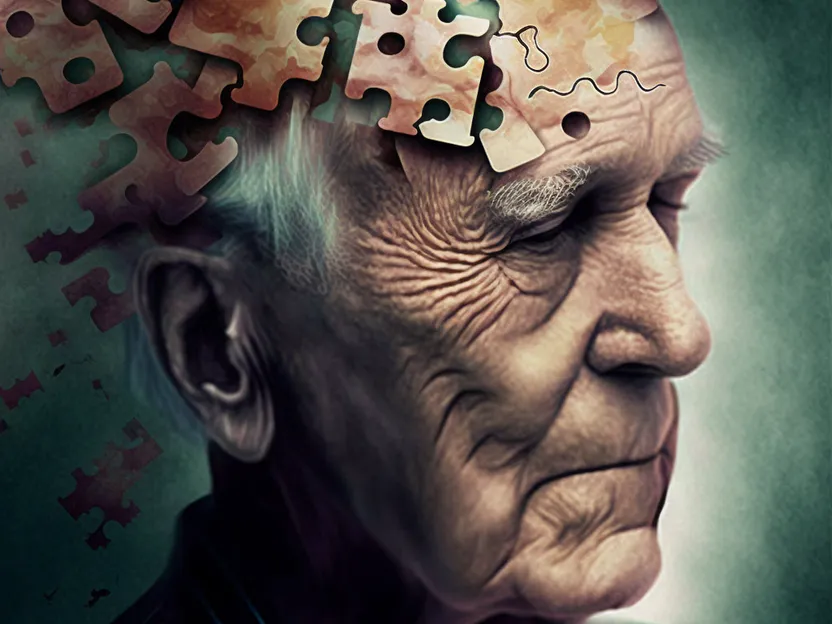
One of the key characteristics of Alzheimer’s disease is the accumulation of abnormal proteins in the brain, such as beta-amyloid and tau. These proteins form plaques and tangles, which disrupt communication between brain cells and ultimately lead to their death.
There are several risk factors that have been identified, including age, genetics, family history, head injury, and lifestyle factors such as smoking, lack of exercise, and a diet high in saturated and trans fats. However, not everyone with these risk factors will develop Alzheimer’s disease, and some people without any of these risk factors may still develop the disease.
Research is ongoing to better understand the causes of Alzheimer’s disease and develop effective treatments and preventive strategies.
Is Alzheimer’s curable if caught early?
Currently, there is no cure for Alzheimer’s disease. However, if the disease is caught early, there are treatments available that can help slow its progression and manage its symptoms.
The most common treatments for Alzheimer’s disease are medications that help regulate neurotransmitters in the brain, such as acetylcholine and glutamate. These medications can help improve memory, mood, and behavior in some people with Alzheimer’s disease. There are also non-pharmacological treatments such as cognitive stimulation therapy and physical exercise that can help improve cognitive function and quality of life in people with Alzheimer’s disease.

It is important to note that early diagnosis and treatment are crucial for slowing the progression of Alzheimer’s disease and improving quality of life. If you or a loved one is experiencing symptoms of Alzheimer’s disease, it is important to speak to a doctor for a proper diagnosis and treatment plan.
Unfortunately, there is currently no cure for Alzheimer’s disease . However, early detection and diagnosis of the disease can help to manage the symptoms and slow down the progression of the disease. Early diagnosis also gives the patient and their caregivers access to treatment options and support services. Additionally, there are medications available that can help to reduce the severity of the symptoms and improve the patient’s quality of life.
How long can a person live with Alzheimer’s?
The progression and course of Alzheimer’s disease can vary widely from person to person, and there is no way to predict exactly how long a person with Alzheimer’s will live.
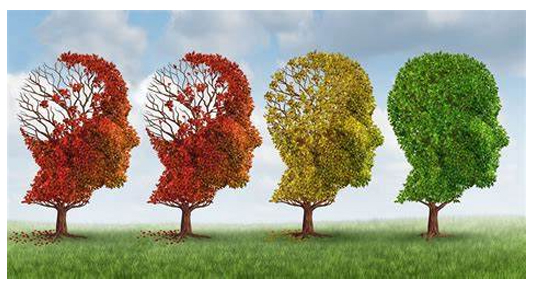
On average, people with Alzheimer’s disease live for about 8 to 10 years after their symptoms begin. However, some people may live for much longer, while others may experience a more rapid decline. The severity and rate of decline can be affected by various factors, including age at onset, overall health, and the presence of other medical conditions.
It’s important to note that Alzheimer’s disease is a progressive illness that typically worsens over time, and as the disease progresses, people with Alzheimer’s often require more intensive care and support. Many people with Alzheimer’s disease require round-the-clock care in the later stages of the disease, which can be a significant burden on caregivers and family members.
If you or a loved one is living with Alzheimer’s disease, it’s important to seek medical and social support as soon as possible to ensure the best possible quality of life and care.
What is the best treatment for Alzheimer?
At present, there is no cure for Alzheimer’s disease, and the treatment aims to manage the symptoms and slow down the progression of the disease. The treatment of Alzheimer’s disease can be divided into pharmacological and non-pharmacological interventions.
Pharmacological interventions include:
- Cholinesterase inhibitors: These drugs are used to improve memory and cognitive function by increasing the levels of acetylcholine in the brain.
- Memantine: This drug is used to improve memory and cognitive function by regulating glutamate, which is a neurotransmitter in the brain.
Non-pharmacological interventions include:
- Cognitive stimulation: This involves the use of exercises and activities that challenge the brain to improve memory, language, and other cognitive functions.
- Exercise: Regular physical exercise has been shown to improve cognitive function and slow the progression of the disease.
- Behavioral and environmental modifications: This includes modifying the environment to reduce stress and agitation, and changing routines to improve sleep and reduce confusion.
- Support for caregivers: Caregivers of individuals with Alzheimer’s disease may benefit from counseling, education, and support groups to help manage the challenges of caring for a loved one with the disease.
It is important to note that the effectiveness of treatment for Alzheimer’s disease varies from person to person, and a multi-disciplinary approach involving a team of healthcare professionals is usually recommended to develop a comprehensive treatment plan that is tailored to the individual’s needs.
Can dementia and Alzheimer’s be avoided?
While there is no guaranteed way to prevent Alzheimer’s disease, there are some lifestyle changes and habits that may reduce the risk of developing the disease. Here are some recommendations:
- Stay mentally and socially active: Engage in mentally stimulating activities such as reading, puzzles, learning a new skill, and social activities that involve interaction with others.
- Stay physically active: Regular exercise, including aerobic and strength training, has been shown to reduce the risk of cognitive decline and Alzheimer’s disease.
- Eat a healthy diet: A balanced diet that includes plenty of fruits and vegetables, whole grains, lean protein, and healthy fats is beneficial for brain health.
- Manage medical conditions: Conditions such as high blood pressure, diabetes, and high cholesterol can increase the risk of Alzheimer’s disease, so managing these conditions is important.
- Avoid smoking and excessive alcohol consumption: Both smoking and excessive alcohol consumption have been linked to an increased risk of cognitive decline and Alzheimer’s disease.
- Get enough sleep: Getting enough sleep is essential for overall brain health and cognitive function.
It’s important to note that while these lifestyle changes may reduce the risk of Alzheimer’s disease, they are not a guarantee of prevention. It’s also important to talk to a healthcare provider about individual risk factors and any concerns about cognitive decline.
Which famous person has Alzheimer’s?
Unfortunately, Alzheimer’s disease is a common form of dementia that affects millions of people around the world, including many well-known individuals. Here are a few examples of famous people who have or had Alzheimer’s disease:
- Ronald Reagan: The 40th President of the United States was diagnosed with Alzheimer’s disease in 1994, five years after leaving office. He passed away in 2004 at the age of 93.
- Rita Hayworth: The Hollywood actress was diagnosed with Alzheimer’s disease in the late 1970s and passed away in 1987 at the age of 68.
- Glen Campbell: The country music legend was diagnosed with Alzheimer’s disease in 2011 and went public with his diagnosis in 2013. He passed away in 2017 at the age of 81.
- Estelle Getty: The actress, best known for her role as Sophia on « The Golden Girls, » was diagnosed with Lewy body dementia, a form of dementia that shares many similarities with Alzheimer’s disease. She passed away in 2008 at the age of 84.
- Terry Pratchett: The author of the popular « Discworld » series was diagnosed with Alzheimer’s disease in 2007 and passed away in 2015 at the age of 66.

It’s important to note that Alzheimer’s disease can affect anyone, regardless of age or level of fame, and that more research is needed to better understand and treat the disease.
What foods can prevent Alzheimer’s disease?
While there is no one food that can guarantee the prevention of Alzheimer’s disease, a healthy diet that includes certain foods has been shown to be beneficial for brain health and may help reduce the risk of cognitive decline. Here are some foods that may help prevent Alzheimer’s disease:
- Berries: Blueberries, strawberries, and other berries are rich in antioxidants, which can help protect the brain from oxidative stress and inflammation.
- Fatty fish: Fatty fish such as salmon, tuna, and mackerel are high in omega-3 fatty acids, which are important for brain health.
- Leafy greens: Dark leafy greens such as spinach, kale, and collard greens are high in vitamins and minerals that are important for brain health.
- Nuts and seeds: Nuts and seeds, such as almonds, walnuts, and sunflower seeds, are high in healthy fats and other nutrients that are beneficial for brain health.
- Whole grains: Whole grains such as brown rice, quinoa, and whole wheat bread are high in fiber and other nutrients that are important for brain health.
- Coffee and tea: Coffee and tea, especially green tea, have been shown to have beneficial effects on brain health.
It’s important to note that a healthy diet that includes a variety of foods, including fruits, vegetables, lean protein, healthy fats, and whole grains, is beneficial for overall health, including brain health. Additionally, it’s important to limit or avoid processed and high-sugar foods, which can have negative effects on brain health.
Is yoga good for Alzheimer’s?
Yoga is a mind-body practice that involves physical postures, breathing exercises, and meditation. While there is no cure for Alzheimer’s disease, yoga has been shown to have potential benefits for individuals with Alzheimer’s disease and other forms of dementia. Here are some ways that yoga may be beneficial:
- Reducing stress and anxiety: Yoga has been shown to help reduce stress and anxiety, which can be beneficial for individuals with Alzheimer’s disease.
- Improving mood and quality of life: Yoga has been shown to improve mood and quality of life in individuals with Alzheimer’s disease.
- Improving balance and flexibility: Many of the physical postures in yoga are designed to improve balance and flexibility, which can help reduce the risk of falls in individuals with Alzheimer’s disease.
- Enhancing cognitive function: Some research has suggested that yoga may have cognitive benefits for individuals with Alzheimer’s disease, including improved memory and attention.

It’s important to note that while yoga may have potential benefits for individuals with Alzheimer’s disease, it’s important to consult with a healthcare professional before starting a new exercise program, including yoga. Additionally, it’s important to work with a qualified yoga instructor who has experience working with individuals with Alzheimer’s disease or other forms of dementia, as modifications may be needed to accommodate individual abilities and limitations.