

What are the 6 early warning signs of stomach cancer?
Stomach cancer, also known as gastric cancer, may not cause any symptoms in the early stages. When symptoms do occur, they can be vague and similar to those of other gastrointestinal conditions. Some of the early warning signs of stomach cancer may include:
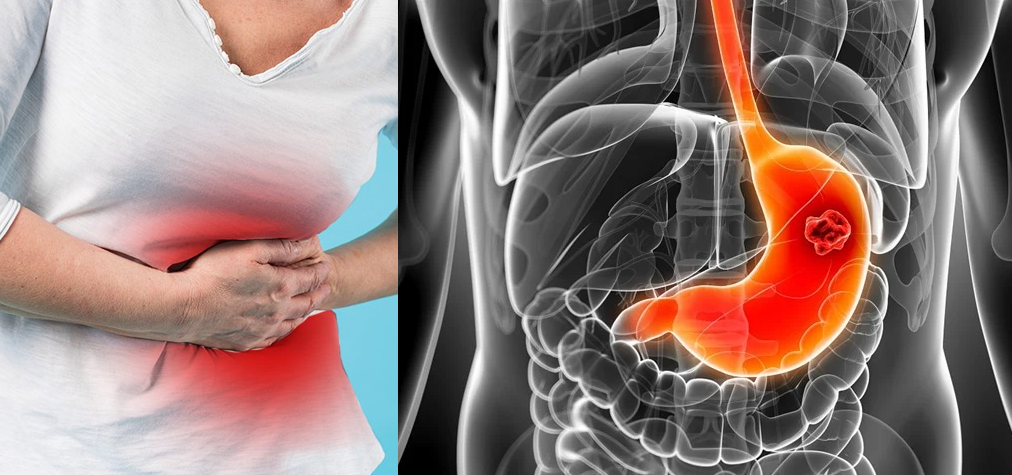
- Abdominal pain or discomfort: This is a common symptom of stomach cancer and may be felt as a dull ache or a burning sensation in the stomach area.
- Indigestion or heartburn: These symptoms may be caused by acid reflux or other gastrointestinal issues, but they can also be a sign of stomach cancer.
- Loss of appetite or unexplained weight loss: These symptoms may be caused by a variety of factors, but if they are persistent and unexplained, they may be a sign of stomach cancer.
- Nausea and vomiting: These symptoms can occur due to a variety of conditions, but if they are persistent and unexplained, they may be a sign of stomach cancer.
- Feeling full after eating only a small amount: This may be a sign of stomach cancer, as the tumor may be obstructing the passage of food from the stomach to the intestines.
- Blood in the stool or vomit: This is a serious symptom that should be evaluated by a healthcare professional immediately, as it may be a sign of advanced stomach cancer.
It’s important to note that these symptoms can be caused by a variety of conditions and may not necessarily be a sign of stomach cancer.
What is the main cause of stomach cancer?
The exact cause of stomach cancer is not fully understood, but several factors may increase the risk of developing the disease. Some of the main factors that are associated with an increased risk of stomach cancer include:
- Helicobacter pylori infection: This bacterium is the most common cause of stomach ulcers and has been linked to an increased risk of stomach cancer.
- Age: The risk of stomach cancer increases with age, with most cases occurring in people over the age of 50.
- Gender: Men are more likely to develop stomach cancer than women.
- Family history: People with a family history of stomach cancer are at a higher risk of developing the disease.
- Diet: A diet that is high in salty, smoked, or pickled foods may increase the risk of stomach cancer, as well as a diet that is low in fruits and vegetables.
- Smoking: People who smoke are at an increased risk of developing stomach cancer.
- Obesity: Being overweight or obese may increase the risk of developing stomach cancer.
It’s important to note that not everyone who has one or more of these risk factors will develop stomach cancer, and some people who develop stomach cancer may not have any known risk factors.
Is stomach cancer usually fatal?
In general, the prognosis for stomach cancer is better if it is diagnosed and treated in the early stages, before it has spread to other parts of the body. However, many cases of stomach cancer are not diagnosed until later stages, when the cancer has spread to other organs or lymph nodes.

The five-year survival rate for stomach cancer varies depending on the stage of the cancer at diagnosis. According to the American Cancer Society, the five-year survival rate for all stages of stomach cancer combined is about 32%, but the survival rates are much higher for early-stage cancers that are localized to the stomach.
It’s important to note that survival rates are statistical estimates and cannot predict the outcome for any individual patient. Additionally, advances in treatment options and early detection methods may improve the outlook for people with stomach cancer.
What are the 4 phases of Stomach Cancer?
The most commonly used staging system for stomach cancer is the TNM system, which stands for Tumor, Node, and Metastasis.
The stages of stomach cancer are as follows:
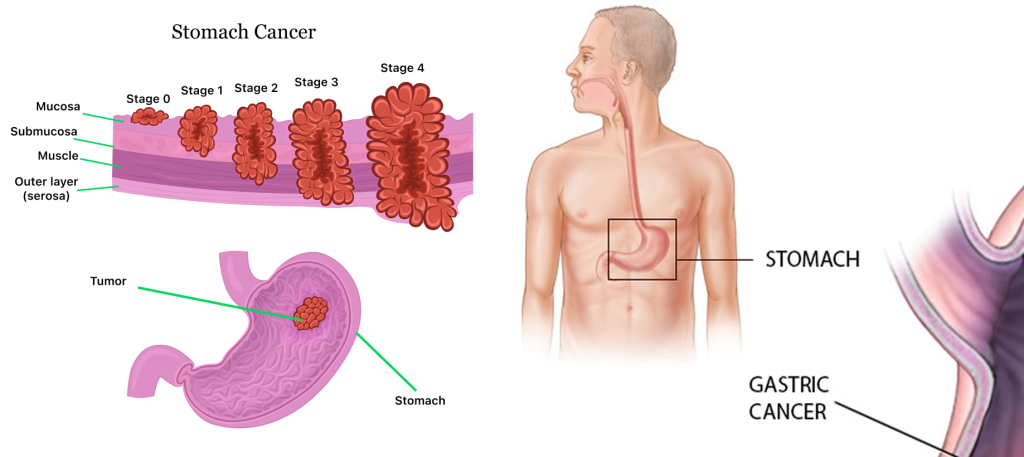
Stage 0: This is the earliest stage of stomach cancer, where the cancer cells are only found in the innermost layer of the stomach lining.
Stage I: At this stage, the cancer has grown deeper into the layers of the stomach lining, but has not spread to the lymph nodes or other organs.
Stage II: In this stage, the cancer has spread to nearby lymph nodes, but has not yet spread to distant organs.
Stage III: At this stage, the cancer has spread to nearby organs or lymph nodes, such as the spleen, pancreas, or the outer layer of the stomach.
Stage IV: This is the most advanced stage of stomach cancer, where the cancer has spread to distant organs, such as the liver, lungs, or bones.
In addition to the TNM system, stomach cancer can also be classified into subtypes based on the histological features of the tumor, such as the type of cells involved.
Treatment for stomach cancer
The main treatment options for stomach cancer include:
- Surgery: Surgery is the most common treatment for stomach cancer, and it involves removing the tumor and a portion of the surrounding healthy tissue. In some cases, the entire stomach may need to be removed (total gastrectomy).
- Chemotherapy: Chemotherapy is a type of cancer treatment that uses drugs to kill cancer cells. It is often used before or after surgery to shrink the tumor and reduce the risk of recurrence.
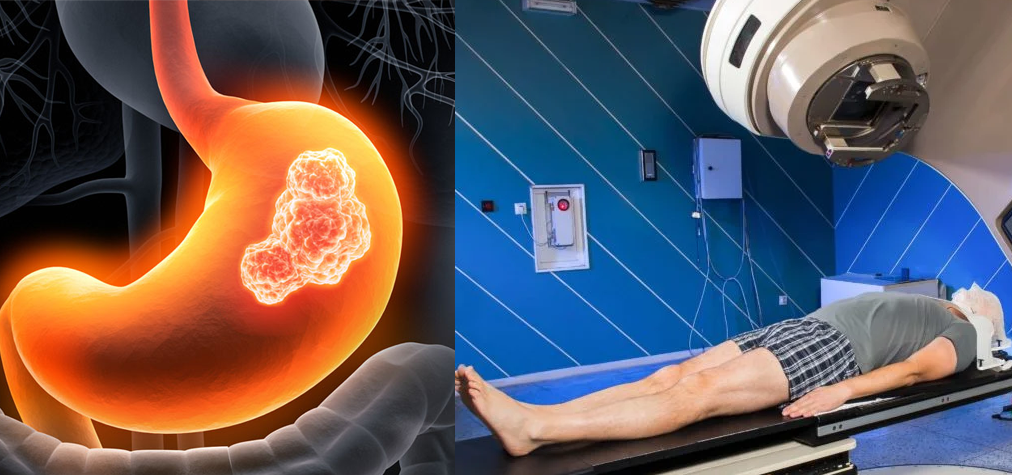
- Radiation therapy: Radiation therapy uses high-energy X-rays to kill cancer cells. It may be used in combination with chemotherapy or surgery to treat stomach cancer.
- Targeted therapy: Targeted therapy is a type of cancer treatment that uses drugs to target specific molecules that are involved in the growth and spread of cancer cells.
- Immunotherapy: Immunotherapy is a type of cancer treatment that helps the immune system to recognize and attack cancer cells.
In addition to these treatments, supportive care may also be provided to manage symptoms and improve quality of life. This may include pain management, nutrition support, and emotional support.
Pain medication for tomach cancer
Generally, pain management for stomach cancer involves a combination of medications and other treatments, such as radiation therapy or surgery.
The following are examples of pain medications that may be used for stomach cancer:
- Nonsteroidal anti-inflammatory drugs (NSAIDs): NSAIDs, such as ibuprofen and aspirin, can help to reduce inflammation and relieve mild to moderate pain.
- Opioids: Opioids, such as morphine and oxycodone, are strong pain medications that are often used for moderate to severe pain. They work by blocking the perception of pain in the brain.
- Corticosteroids: Corticosteroids, such as dexamethasone, can help to reduce inflammation and swelling, which can relieve pain.
- Antidepressants: Certain antidepressants, such as tricyclic antidepressants, can be effective in treating chronic pain associated with stomach cancer.
- Anticonvulsants: Some anticonvulsant medications, such as gabapentin and pregabalin, can be used to treat nerve pain associated with stomach cancer.
What food is good for stomach cancer?

Eating a healthy, balanced diet is important for anyone, but it’s especially important for people with stomach cancer. A well-rounded diet can help maintain strength, manage symptoms, and promote overall health. Here are some general guidelines for a healthy diet for people with stomach cancer:
- High-protein foods: Protein is important for maintaining muscle mass and promoting healing. Good sources of protein include lean meats, fish, poultry, beans, eggs, and dairy products.
- Whole grains: Whole grains, such as brown rice, quinoa, and whole-grain breads and cereals, are a good source of fiber, which can help promote regular bowel movements and reduce the risk of constipation.
- Fruits and vegetables: Fruits and vegetables are rich in vitamins, minerals, and antioxidants, which can help support the immune system and promote overall health. Dark, leafy greens and brightly colored fruits and vegetables are particularly good choices.
- Healthy fats: Healthy fats, such as those found in nuts, seeds, and avocados, can provide energy and help promote overall health.
- Low-fat dairy products: Low-fat dairy products, such as milk, yogurt, and cheese, are a good source of calcium, which can help maintain bone health.
It’s also important to stay hydrated by drinking plenty of fluids, such as water, tea, and broth.